



 Österreich

DLPA2000DYFFR

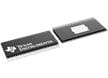
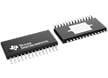
Bilder dienen lediglich der Veranschaulichung und sind nicht Originalgetreu
Siehe Produktspezifikationen
Siehe Produktspezifikationen
595-DLPA2000DYFFR
DLPA2000DYFFR
Herst.:
Beschreibung:
Driver ICs LED-Beleuchtungstreiber PMIC/LED Driver for DLP2010
Driver ICs LED-Beleuchtungstreiber PMIC/LED Driver for DLP2010
Datenblatt:
Datenblatt
Application Notes
- DLP System Design: Brightness Requirements and Tradeoffs (Rev. B)
- DLP Technology for Near Eye Display (NED) (Rev. A)
- DLPC34xx General System Design Guide Application Note (Rev. A)
- Getting Started with TI DLP Display Technology (Rev. E)
- Getting Started with TI DLP® Display Technology (Rev. D)
- PCB Design Requirements for TI DLP Pico TRP Digital Micromirror Devices
- TI DLP® IntelliBright™ Algorithms for the DLPC343x Controller
Images
Models
Konformitätscodes
- TARIC:
- 8542399000
- CNHTS:
- 8542319000
- CAHTS:
- 8542390000
- USHTS:
- 8542390090
- JPHTS:
- 854239099
- MXHTS:
- 8542399901
- ECCN:
- EAR99
Ursprungsklassifikationen
- Ursprungsland:
- Philippinen
- Herstellungsland:
- Nicht lieferbar
- Land der Verbreitung:
- Nicht lieferbar




Verfügbarkeit
-
Lagerbestand:
-
Nicht auf LagerEin unerwarteter Fehler ist aufgetreten. Bitte versuchen Sie es später noch einmal.
-
Lieferzeit ab Hersteller:
-
26 Wochen Geschätzte Produktionszeit des Werks.
Lange Lieferzeit für dieses Produkt.
Preis (EUR)
| Menge | Stückpreis |
Erw. Preis
|
|---|---|---|
| Gurtabschnitt / MouseReel™ † | ||
| € 7,43 | € 7,43 | |
| € 5,74 | € 57,40 | |
| € 5,32 | € 133,00 | |
| € 4,86 | € 486,00 | |
| € 4,61 | € 1.152,50 | |
| € 4,60 | € 2.300,00 | |
| Ganzes Reel (Sie bestellen ein Vielfaches von 3000) | ||
| € 4,14 | € 12.420,00 | |
† Für die MouseReel™ wird Ihrem Warenkorb automatisch eine Gebühr von € 5,00 hinzugefügt. MouseReel™ Bestellungen sind weder stornierbar, noch können sie zurückgegeben werden.
↩